
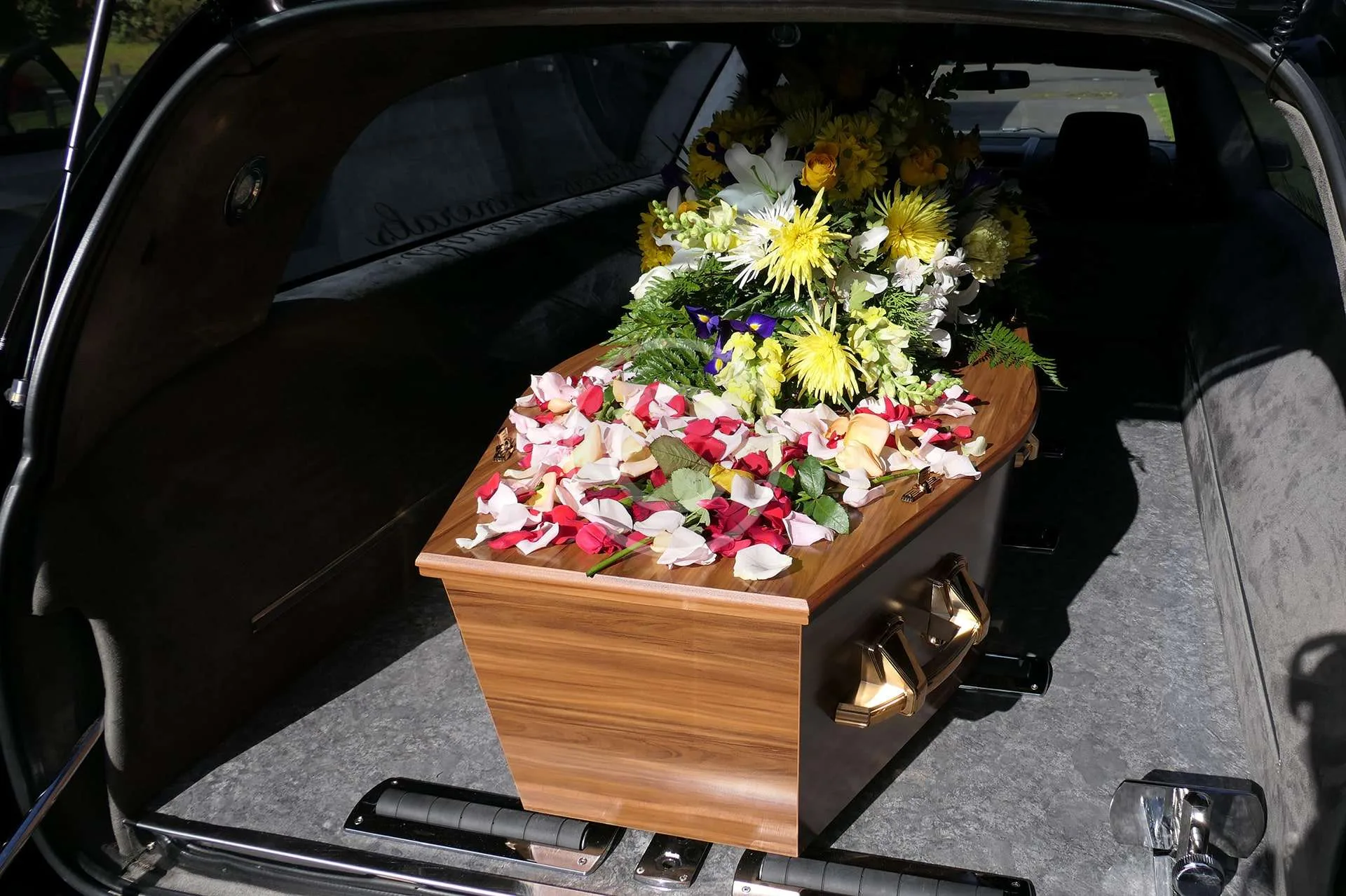
Velatorio in english
Velatorio in english. Encuentra la traducción adecuada y el significado cultural de servicios funerarios en países de habla inglesa.
Velatorio in english. When encountering the term ‘velatorio’, many English speakers may be unfamiliar with its meaning, as it is rooted in Spanish-speaking cultures. The word ‘velatorio’ translates to ‘wake’ or ‘funeral wake’ in English, referring to the gathering held before a funeral, where family and friends come together to honor and remember the deceased.
This tradition has deep cultural significance and varies in customs and practices depending on the region.
In English-speaking countries, the concept of a wake is similar, typically involving a viewing or visitation at a funeral home or the family’s residence. People gather to share memories, offer condolences, and provide support to the bereaved.
During a ‘velatorio’, it is common to find photographs, candles, and sometimes religious symbols that reflect the beliefs of the family. In some cases, prayers or special readings are recited, and guests may bring flowers or sympathy cards.
Food and refreshments are often served, allowing attendees to spend time together and share stories about the person who has passed away.
The atmosphere can be somber but is also intended to celebrate the life and legacy of the individual. In English, the term ‘wake’ can also refer to a vigil held the night before a funeral or burial. The purpose is to give loved ones an opportunity to say their farewells in a supportive environment. In some traditions, wakes are highly formal, while in others, they are more casual gatherings.
The English word ‘wake’ comes from an old tradition of keeping watch over the deceased, ensuring that the person was truly gone before burial. Today, it serves as an important moment of closure and reflection. Understanding the cultural significance of ‘velatorio’ in English not only helps bridge language barriers but also fosters empathy and respect for diverse mourning customs.
For those attending a wake, it is customary to dress in modest or dark attire as a sign of respect. Guests are encouraged to express their condolences to the family and share positive memories of the deceased.
If you are unfamiliar with local customs, it is always appropriate to ask for guidance or follow the lead of the family.
The word ‘velatorio’ is used in various contexts, including obituaries, funeral announcements, and conversations about end-of-life arrangements. Translating this term accurately is essential for clear communication, especially for professionals working in international funeral services or for individuals navigating cross-cultural experiences.
When searching for ‘velatorio in English’, you may also encounter related terms such as ‘funeral service’, ‘memorial’, or ‘visitation’, each representing different aspects of commemorating a loved one.
While these terms are sometimes used interchangeably, they can have distinct meanings depending on the context.
A funeral service often refers to the formal ceremony, while a visitation or wake is typically the informal gathering beforehand. In summary, ‘velatorio in English’ is most commonly translated as ‘wake’, signifying a meaningful tradition where people come together to honor the memory of someone who has died. Recognizing these customs enriches our understanding of how different cultures approach loss and remembrance.
The next time you come across the term ‘velatorio’, you will know that it represents a heartfelt gathering, deeply rooted in tradition, and that its English equivalent, ‘wake’, holds a similar place in the rituals of mourning. Whether you are attending a wake or learning about these practices for the first time, appreciating the importance of these customs can offer comfort and support during times of grief.